Sunday, 5 April 2015

Sweet Lassi

This sweet yogurt drink is refreshing in hot summers. Lassi is another cooling and refreshing drink to have in the summers. sweet lassi is quite popular in punjab and north india. It is very popular yogurt based drink in Indian subcontinent. This drink is very good for hot summer afternoons when one wants to take a nap. It produces drowsiness and helps to sleep soundly with revitalizing all the body systems. It is rich in nutrients.
INGREDIENTS:

  • 1.5 cups yogurt/curd, chilled
  • 7-8 tsp sugar or as required
  • ½ cup water or cold milk
  • ½ tsp cardamom powder
  • 1 pinch saffron (optional)
  • 6-7 almonds or shelled pistachois, chopped or sliced (optional)
  • 1 tsp rose water (optional)
  • ice cubes while serving the lassi
Method: 
  • Take the yogurt, cardamom powder, water and sugar in a blender.
  • You can also blend with a hand blender or use the traditional madani.
  • Blend till the yogurt is evenly blended.
  • Don't over do as then you will get butter floating on top.
  • Serve lassi in tall glasses.
  • Add crushed ice cubes, garnish lassi with some cardamom powder and sliced almonds.
  • Serve the sweet lassi.
  • You can also chill lassi and then serve.


Notes:
  • You can also add a pinch of saffron for extra flavour.
  • Actually you can top up more cream by pouring the lassi and then adding cream alternatively till you reach the rim of the glass.
  • You can use slightly use sour curd which works best.
  • No need to whisk the malai to a creamy texture as you need to feel the malai texture in your mouth while drinking


Falooda Ice-cream

falooda recipe for the summers. one dessert beverage which is our favorite. i don’t have a single recipe of a basic falooda or its variations except for a vegan recipe of strawberry falooda made with almond milk.This summer - time favourite is almost a meal. Serve it at high tea or after "bhel puri'.


Ingredients:

  • 36 tsp rose syrup
  • 12 scoops vanilla ice-cream
  • 6 3/4 cups chilled milk
  • 3 tbsp falooda seeds (subza)
  • 75 gms cornflour

Method:


  • Soak the sabja seeds in enough water for about 30 mins. when they swell up, drain them and keep aside.
  • Prepare the falooda sev according to package instructions. some require just soaking the falooda sev in warm water. i had to cook them in boiling water much like noodles. once they are cooked, rinse them in water and keep aside. just chop them before cooking if they are long. the ones i had got, were already small sized.
  • In about 4 tall serving glasses each, add the rose syrup first. you can add about 1.5 to 2 tbsp rose syrup depending on your taste as well as the size of the glass. 2 tbsp of rose syrup make it more sweet.
  • Then add the soaked and drained sabja seeds.
  • Add the falooda sev.
  • Add about 3/4 to 1 cup chilled milk in a slow stream taking care that the milk does not mix with the rose syrup and the sabja seeds. the layers have to be visible and that is what makes the falooda visually appealing.
  • Finally add a scoop of vanilla ice cream.
  • Top with sliced pistachios, golden raisins and sliced almonds. serve falooda immediately.


How to serve:
  • Put 3 teaspoons of rose syrup 1 tablespoon of soaked falooda seeds and 1 tablespoon of falooda "sev" in each glass. Fill the glass uotp three - quarters and top with a scoop of vanilla ice-cream.
  • RECIPE SOURCE : Pleasures Of Vegetarian CookingBuy this cookbook

Friday, 3 April 2015

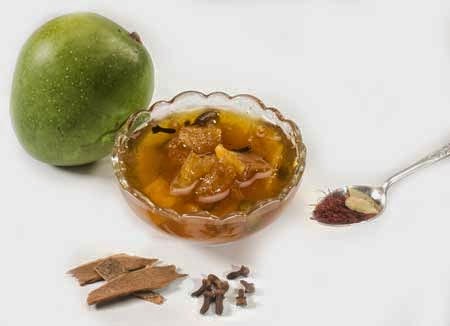
Sweet and Sour Mango Pickle

I am not very fond of pickles and one of the very few pickles I relish are the sweet mango pickle and garlic thokku.I am always sweet toothed and that carries in my taste for pickles too :) Amma make mango thokku, and instant mango pickle both sweet and the spicy versions. I love this sweet version more...I even eat it as such but it is best when served with curd rice, unbeatable combo I can say!Sweet mango pickles are very special. The mangoes chosen for this pickle should be firm and under ripe. They are peeled, cut into thin slices and simmered in sugar syrup with garlic, cloves, bay leaf, peppercorns, spiked with chilli powder and fennel seeds. The mango flesh softens but stays intact and blends easily with the sugar and spices without losing its original flavour. You can use any variety of raw mangoes, if the Rajapuri variety is not available. This pickle will complement the kashmiri rotis to perfection. Stored refrigerated, this should last you for upto one year.
Ingredients:

  • 2 1/2 cups (315 grams) raw mangoes (preferably Rajapuri) sliced
  • 1 3/4 cups (350 grams) sugar
  • 3 cloves garlic
  • 2 cloves (laung / lavang)
  • 2 bayleaves (tejpatta)
  • 5 to 6 black peppercorns (kalimirch)
  • 2 whole dry kashmiri red chillies
  • 1 tsp fennel seeds (saunf)
  • 1 tsp roasted cumin seeds (jeera), crushed
  • 1 tsp chilli powder
  • 2 tbsp cashewnuts (kaju)
  • 1/2 tsp salt


Method:

  • Combine the sugar with 2½ cups of water in a pan. Cook over a slow flame till the sugar dissolves, stirring occasionally.
  • Add the mango slices, garlic, cloves, bay leaves, peppercorns and red chillies and cook over a very slow flame for about 30 to 35 minutes.
  • This pickle is ready when the sugar syrup is of one string consistency and the mango pieces are soft and translucent.
  • Remove from the fire, add the fennel seeds, cumin seeds, chilli powder, cashewnuts
    and salt and mix well.
  • Allow it to cool completely. Bottle in a sterilised glass jar and store refrigerated for upto 1 year.


Aam Ka Achaar | Spicy Raw Mango Pickle

During the mango season in the summer in Punjab, one can see at least two or three earthenware jars full of pickled raw mangoes maturing in the sun outside homes. This typical Punjabi recipe for making mango pickle is most popular in the region. The combination of fennel seeds, nigella seeds with mustard and other pickling spices is what distinguishes this mango pickle from its Gujarati counterpart methia keri. Sun-dried mangoes used in this pickle impart a salty chewy taste and also improve the shelf life of the pickle. Alternatively, use mangoes in brine, just drain the mangoes out of the brine solution and mix them with pickling spices. This is a very simple recipe to follow. Just keep in mind the basics of pickle making - use a clean sterilised jar, see that there is no moisture and ensure that mustard oil forms a covering layer over the ingredients in the jar

Ingredients:
  • 3 cups of cut mangoes with skin 
  • 1/4 cup salt
  • 2 teaspoons turmeric powder
  • 1 teaspoon asafoetida powder
  • 2 tablespoons halved fenugreek seeds (methi kuria)
  • 2 tablepoons halved mustard seeds (rai kuria)
  • 1/4 cup red chilli powder
  • 1 tablespoon nigella seeds (kalonji)
  • 1 tablespoon fennel seeds (saunf), coursely pounded
  • 1 tablespoon coriander seeds
  • 1/2 cup of mustard oil

Equipment:
  • Large ultra sharp serrated knife
  • A large bowl with lid for marinating, a small frying pan
  • One or two large glass air tight bottles or canisters for storing the pickle

Method:
  • Wash the mangoes and dry them completely making sure there is no moisture or dust. Make sure your knife and the platform you use for cutting the mangoes is clean and moisture free. Cut the mangoes in half, deseed and further cut them into one inch cubes.
  • In a large bowl, combine one cup salt, turmeric powder and cut mangoes. Allow it to marinate overnight or 8 hours until the mangoes release a large quantity of water.
  • Drain the water from the mangoes and keep the water aside. Dry the mangoes on paper towels for about 8 hours/ overnight, so they lose the excess moisture.
  • Heat a small pan on medium heat, and roast the coriander seeds until you start smelling the aroma. Turn off heat and allow it to cool. Once cooled, using a pestle and mortar to coarsely crush the coriander seeds to half.
  • In a large bowl, combine the mangoes, the remaining salt and all the other ingredients except the oil.
  • Fill the above mango mixture tightly into a bottle and keep aside covered for a day, about 24 hours.
  • Heat the oil in a sauce pan to boiling point and allow it to cool completely while covered. Once cooled add the oil to the bottled mango mixture.
  • It takes approximately two to three weeks for the aam ka achaar to marinate itself and get the flavours from the masala. Best flavour and tenderness in the pickle comes after a month of marination.


Using and Storage Instructions:
  • Moisture is the biggest killer for pickles; in humid and hot conditions it is best to store the pickle in the refrigerator. Wait for the pickle to get marinated for a month before you refrigerate.
  • Make sure the lid is closed tight at all times without letting moisture in
  • Use a clean dry spoon so that there is no moisture when you take the pickle out of the bottle.
  • For easier and regular usage, transfer little amounts to a smaller jar.

Note:
  • You can use the drained water from the mangoes into cooking rice or into a lentil preparation. They taste delicious.

How to make Malpua

Malpua is an traditional sweet of north India. Holi festival is around the corner, so thought of sharing this malpua recipe. plus i also had some requests to share the recipe of fluffy malpuas. It is prepared in during the festival of Poush Sankranti in Bengal.It is also the morning food which is served to lord Jagannath in his temple.

Ingredients:
  • 2-1/2 cups of milk
  • 1/3 cup all purpose flour (maida plain flour)
  • 1/3 cup sugar
  • Approx. 1/3 cup water use as needed
  • 1/2 teaspoon cardamom crushed (ilachi)
  • 2 tablespoons clarified butter (ghee)
  • 2 tablespoons sliced pistachios (pista) for garnishing

Method:
  • Boil milk in heavy bottom pan over medium high heat till it reduces to about 1 cup, stir the milk occasionally and keep scrapping the sides. Add the cardamom and mix. This should take about 15 minutes after milk comes to boil. This is known as rabdi.
  • In a bowl mix flour, 4 tablespoons of sugar, 1/3 cup of milk (rabdi), and about 1/3 cup or as needed water to make a smooth batter of pouring consistency. Keep the batter for about four to five hours before making the malpua.
  • Add the remaining sugar to remaining milk (rabdi) and mix, set aside. This will be used for garnishing.
  • Heat the non stick skillet over medium heat and grease it generously. Let the skillet get moderately hot.
  • Pour approx. 1-1/4 tablespoons batter to the skillet and gently spread to 2-1/2 inch circle, to form a pancake. After top of the batter start drying spread about ½ teaspoon of clarified butter. Wait another minute and flip the malpua.
  • Malpua should be golden brown on both sides.
  • Set the malpuas in serving plate and pour about 1 teaspoon of reduced milk over and garnish with pistachios.
  • Malpuas are ready to serve.

Onion Pakoda (South Indian Style Pakoras)


Onion pakoda or onion pakora are onion fritters that are battered with chickpea flour and then deep fried.These are very commonly prepared in most south Indian homes and is a popular street food too.These are easy to prepare when you have a sudden guest or friend at home and you want to make them feel special. These make a good tea time snack especially during the cold winters.


INGREDIENTS:

  • Onion – 1 medium or 1⅓ cups Sliced
  • Green chilies – 2 small, finely chopped
  • Ginger paste – ½ teaspoon
  • Curry leaves – 4-5, chopped
  • Cilantro – few sprigs, chopped finely
  • Salt- to taste
  • Turmeric powder – ¼ teaspoon
  • Red chili powder – 1 teaspoon
  • Coriander powder – ½ teaspoon
  • Carom seeds (Ajwain) – ¼ teaspoon
  • Rice flour – 2 tablespoons
  • Besan (Chickpea flour) – 5 tablespoons


Method: 
  • Take sliced onion in a bowl.
  • Add chopped green chilies, cilantro, curry leaves and ginger paste.
  • Mix it very well.
  • Add salt, turmeric powder, red chili powder, coriander powder and carom seeds.
  • Then add rice flour and besan.
  • Mix it well. So all the flour and masala coat the all sliced onions. Adjust the besan quantity to coat the onions. Make sure all the sliced onion should be coated with flour.
  • Leave it aside for 20 minutes. So onion will start to leave its water and flour mixture will get wet. We don’t want to make batter of flour so do not add any extra water. Water from onion is enough. Less water = crispy pakoda.
  • Heat the oil (few inches deep) in the pan on medium heat for deep frying. Once oil is hot, add spoonful of pakoda mixture.
  • Fry it till it becomes golden brown on both sides. Turn them around while frying for even cooking. Deep fry few pakodas at a time. Do not over crowd them.
  • Then remove it on paper towel lined plate.
  • Serve onion pakoda hot with a cup of tea or coffee.

Notes:

  •  If amhcur isn't available then just add some chat masala instead.
  • The batter has to be thick and not thin.
  • Fry them on medium heat else they might get burnt.
  • You could add baking soda if you wish to. However I haven't added.
  • The onion need to be sliced thinly else it would take a longer time to cook.

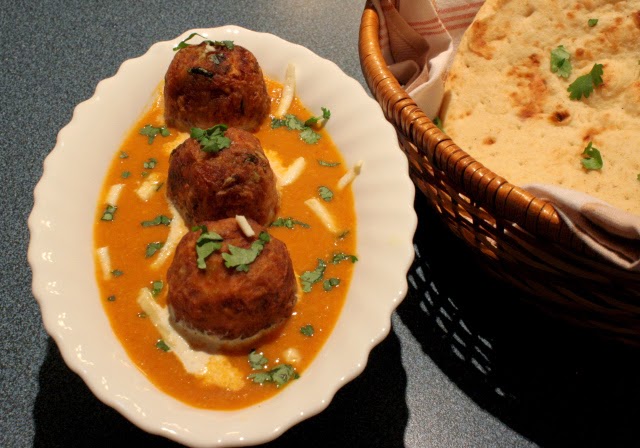
Vegetable Malai Kofta Curry Recipe

Vegetable kofta curry is the most amazing combination of several healthy vegetables. Kofta are extremely tasty in eating, and you can really feel a crunchy taste and flavor of each and every vegetable you are putting into it. Gravy is tremendously awesome and fragrant with fennel seeds and whole garam masala. You can choose to add vegetables of your choice and cook it in same style thick red gravy or curry.


Ingredients:
Ingredients for Vegetable Malai Koftas:
  • 2 boiled potatoes, mashed
  • 1 carrot, chopped and steamed
  • 1 cup of green peas, steamed
  • 1 cup cauliflower florets, steamed
  • salt, to taste
  • 1/2 teaspoon cumin powder
  • 2 tablespoons gram flour
  • 1/2 cup bread crumbs
  • oil for pan frying
Ingredients to be ground into a paste:
  • 2 onions, roughly chopped
  • 2 cloves garlic
  • an inch piece of ginger
  • 2 green chillies, roughly chopped
  • 5 cashew nuts
Other Ingredients for Kofta Curry:
  • 2 cups homemade tomato puree
  • 1/2 teaspoon coriander powder
  • 1/2 teaspoon homemade garam masala
  • 1/4 teaspoon turmeric powder
  • 1/2 teaspoon kasoori methi
  • salt, to taste
  • cream for garnishing
  • oil for cooking


Method:
  • To begin making the Vegetable Malai Kofta Curry Recipe, we will first make the kofta balls.
  • Add all the steamed vegetables into the food processor, along with the gram flour, salt and cumin powder. Pulse to make a coarse kofta dough mixture. Check the salt and adjust to suit your taste.
  • Shape the kofta dough into bite-size lemon balls and keep them aside. (About 8 to 10). 
  • Roll each ball in over the breadcrumbs so they get coated evenly. You can now cook the kofta's in the Oven or in the Kuzhipaniyaram Pan
  • If you plan to use the Oven to bake the kofta's; then place the kofta balls on a greased baking sheet. Brush the kofta balls with some oil and bake in a preheated oven (200 C) until the koftas turn golden brown in colour. Remove the kofta's from the oven once baked and keep them aside.
  • If you plan to use the Kuzhipaniyaram Pan; then place the kofta balls in the pan's cavities; drizzle the kofta's with a little oil and pan fry them until golden brown on both sides. You will have to flip the kofta balls so they fry on all sides evenly. 
  • The next step is to make the Kofta Curry
  • Heat a tablespoon of oil in a heavy bottomed pan; add onion-ginger-garlic paste. Saute until the raw smell goes away. Add in the pureed tomatoes and the remaining ingredients for the gravy and simmer for 10 minutes until the tomatoes are cooked and the gravy is thickned. 
  • Once the Vegetable Malaik Kofta gravy has thickened, add in the pan fried Vegetable Kofta Balls and simmer for another couple of minutes.
  • Transfer the Vegetable Malai Kofta Curry into a serving bowl, garnish by drizzling with fresh cream and coriander leaves.
  • Serve the delicious Vegetable Kofta Curry with Tawa Paratha and a Rice Dish of your choice. You can also serve these pan fried vegetable balls as an appetizer for your parties.
 Tips:

  • Serve hot with jeera rice or plain Indian chapati.
  • This kofta curry is best to serve with roomali roti or sometimes with butter naan.
  • You can add the koftas to the curry just before serving.
  • Adjust spices to your taste, the above mentioned spice level will give u a little hot kofta curry.
  • Taste the salt level on regular basis, because the fried koftas already contains salt.